

Professional Dementia Care at Home in San Diego
Is your loved one with Alzheimer’s or dementia safe at home alone? Overwhelmed by wandering risks, sundowning, or daily care demands? United Home Care delivers specialized in-home dementia care in San Diego—keeping them secure, comfortable, and independent in the familiar surroundings they love.
Why Choose In-Home Dementia Care
Key Benefits for San Diego Families
- Familiar Environment: Lowers confusion and decline—home cues like photos spark joy and memory.
- 24/7 Safety: Wandering prevention, fall-proofing, and supervision without facility disruptions.
- Respite for You: Flexible scheduling lets families recharge, combining with resources like the Alzheimer’s Association.
Proven Caregiver Expertise
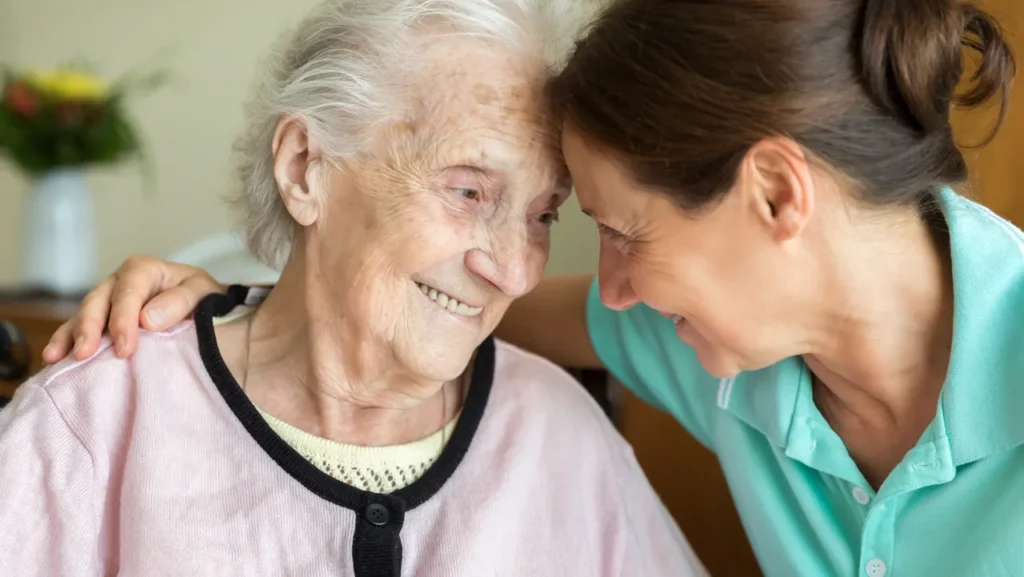
Our thoroughly screened caregivers use validation therapy, redirection, and life-history personalization for compassionate support. Services include music therapy, photo storytelling, hydration monitoring, and meal prep to enhance quality of life. Over 25 years in San Diego, we build trusted, long-term relationships.
Request Free In-Home Assessment Today
Don’t wait for a crisis—start with our no-obligation phone assessment and customized dementia care plan. Call now for compassionate San Diego dementia care that restores peace of mind.
Dementia Care at Home
Receiving a diagnosis of Alzheimer’s or dementia is a life-altering event for the entire family. Suddenly, the future feels uncertain. You worry about your loved one’s safety when they are alone, yet the thought of moving them to a facility feels premature and heartbreaking. You want them to remain in the home they know and love, but the daily demands of caregiving are becoming overwhelming.
You are not alone in this journey. In-home dementia care provides a compassionate solution that balances safety with independence.
At United Home Care, we specialize in helping San Diego families navigate the complexities of memory loss. Our specialized in-home dementia care services allow your loved one to maintain their routine in familiar surroundings while receiving the professional support they need. In this guide, we explore how professional care can transform the daily life of your family and provide the peace of mind you deserve.
Understanding Dementia & Care Needs
Dementia is not a single disease; it is a general term for a decline in mental ability severe enough to interfere with daily life. While memory loss is a common symptom, the condition affects judgment, spatial orientation, and communication. As the condition progresses, the need for specialized in-home dementia care becomes critical to ensure safety and quality of life.
Care needs evolve rapidly. What starts as simple forgetfulness—like missing an appointment—can escalate to leaving the stove on or wandering away from home. In-home dementia care is designed to adapt to these changing stages. Unlike general senior care, in-home dementia care requires a deep understanding of how the brain changes and how to connect with the person behind the diagnosis.
Whether your loved one is in the early stages of mild cognitive impairment or requires advanced Alzheimer’s care, staying at home offers a level of comfort that facilities often cannot replicate.
In-Home Dementia Care Benefits
Preserving "The Familiar"
For someone with memory loss, a new environment can trigger confusion, anxiety, and rapid decline. Their home is their sanctuary—filled with visual cues and memories that ground them. In-home dementia care allows them to sleep in their own bed, sit in their favorite chair, and follow the routines that give their day structure.
Reducing "Sundowning" and Anxiety
Confusion often worsens in the late afternoon and evening, a phenomenon known as “sundowning.” Being in a noisy, unfamiliar facility can exacerbate this. In-home dementia care provides a calm, controlled environment that helps minimize these episodes.
Personalized, One-on-One Attention
In a facility, staff ratios often mean care is task-oriented rather than person-centered. With in-home dementia care, your loved one receives undivided attention. Our caregivers get to know the person—not just the patient. This relationship is the cornerstone of effective in-home dementia care.
How Our Dementia-Trained Caregivers Help
United Home Care providers are more than just sitters; they are professionals equipped with specialized caregiver training. We understand that in-home dementia care requires patience, creativity, and a specific skill set.
Cognitive Stimulation
Our caregivers engage clients in activities appropriate for their cognitive level. This might include:
- Listening to music from their youth (which often sparks memory).
- Looking through photo albums to encourage storytelling.
- Simple puzzles or games to maintain cognitive function.
- Gentle exercises to maintain mobility.
Assistance with Activities of Daily Living (ADLs)
As dementia progresses, basic tasks become difficult. Our in-home dementia care services include respectful assistance with:
- Bathing, grooming, and dressing.
- Toileting and incontinence care.
- Nutritious meal preparation and hydration monitoring.
Medication Management
Seniors with memory issues often struggle to manage prescriptions. Our in-home dementia care professionals provide timely medication reminders, ensuring health protocols are followed strictly.Did You Know? Dehydration can mimic or worsen dementia symptoms. Our caregivers ensure regular fluid intake is part of the daily in-home dementia care routine.
Creating a Safe Environment for Dementia Patients
Safety is usually the primary driver for families seeking in-home dementia care. A home that has been safe for 40 years can suddenly become full of hazards for someone with cognitive decline.
Part of our initial assessment for in-home dementia care involves a home safety check. We help families identify and mitigate risks to prolong the ability to age in place.
Common Safety Measures
- Wandering Prevention: Our caregivers provide supervision to ensure your loved one does not leave the home unaccompanied—a critical component of in-home dementia care.
- Fall Prevention: We remove trip hazards like throw rugs and ensure pathways are clear.
- Kitchen Safety: We supervise appliance use to prevent fires or burns.
Effective in-home dementia care doesn’t just react to emergencies; it proactively creates an environment where accidents are less likely to happen.

Managing Challenging Behaviors
Dementia can change a personality. A once-gentle parent may become aggressive, suspicious, or repetitive. This is often the most painful part for families, but it is a standard aspect of in-home dementia care for professionals.
Our caregivers utilize positive behavioral support techniques. We understand that behavior is communication. If a senior is acting out, they may be in pain, hungry, or frustrated.
Validation Therapy
Instead of correcting a senior (e.g., “Dad, you can’t go to work, you retired 20 years ago”), which causes agitation, our in-home dementia care staff use validation. We might ask, “What did you do at work?” or “Tell me about your job.” This validates their reality and reduces anxiety.
Redirecting and Distracting
When a patient becomes fixated or agitated, skilled in-home dementia care involves gently redirecting their attention to a pleasant activity or a favorite snack. This professional approach to behavioral support is often difficult for family members to master emotionally, which is why professional help is so valuable.
Support for Dementia Caregivers
Providing in-home dementia care as a family member is exhausting. It is a 24/7 job that leads to high rates of caregiver burnout, depression, and physical illness.
Respite care is a vital service we offer. It allows you to step away for a few hours or a few days, knowing your loved one is safe. Utilizing professional in-home dementia care for respite isn’t “giving up”—it’s an essential strategy to ensure you can keep caring for them in the long run.
- Learn more about our [Respite Care Services] here.
We also encourage families to utilize resources like the Alzheimer’s Association for support groups and educational materials. Combining community resources with professional in-home dementia care creates a sustainable ecosystem for the entire family.
When to Consider Professional Dementia Care
How do you know when it is time to bring in help? Many families wait until a crisis occurs. However, introducing in-home dementia care earlier allows the senior to bond with the caregiver before their memory declines further.
Consider in-home dementia care if:
- Safety is compromised: You worry about them wandering or falling.
- Hygiene is declining: They are forgetting to bathe or change clothes.
- Caregiver stress is high: You are irritable, exhausted, or missing work.
- Social isolation: Your loved one rarely leaves the house or interacts with others.
- Sundowning is unmanageable: Evenings have become chaotic and stressful.
Dementia Care Plans & Personalization
At United Home Care, we do not believe in “cookie-cutter” solutions. Effective in-home dementia care must be personalized.
The "Life History" Approach
Flexible Scheduling
In-home dementia care can start small. You might begin with three afternoons a week for socialization and respite. As the disease progresses, we can scale up to daily care or even 24/7 memory care support.
Our goal is to build a relationship of trust. We match caregivers based on personality and experience, ensuring that the in-home dementia care you receive feels less like a service and more like extended family.
Compassionate Memory Care is One Call Away
Navigating memory loss is one of the hardest things a family can do, but you don’t have to do it alone. In-home dementia care provides the safety net your loved one needs and the peace of mind you deserve.
Let United Home Care be your partner in this journey. Our specialized in-home dementia care services in San Diego are designed to bring dignity and joy back into daily life.